

 +86-0515-86223369
  0
0 es
es English
 日本語
日本語 Español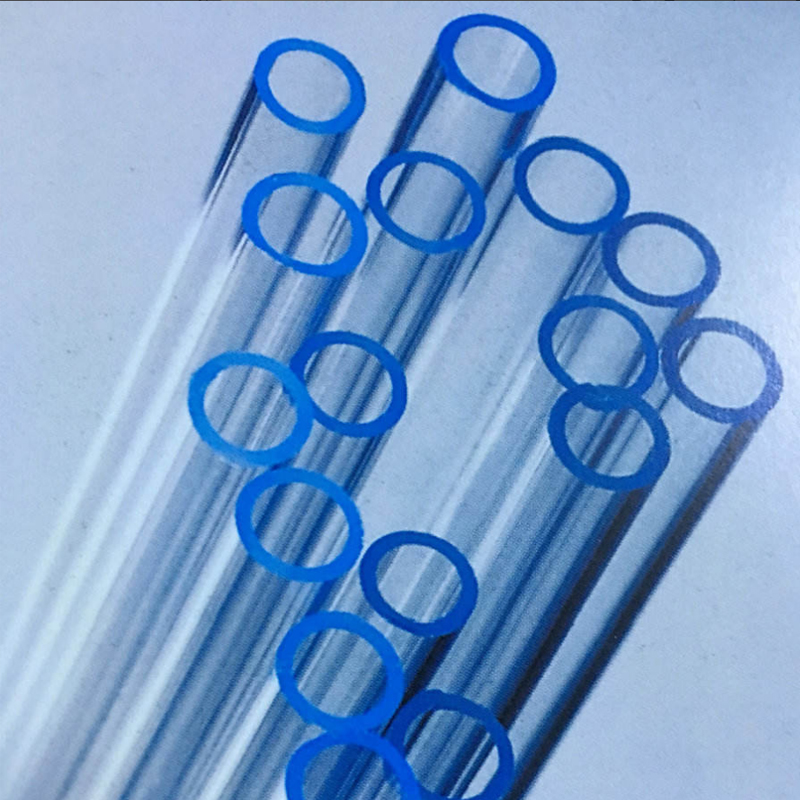


Si necesita ayuda, no dude en contactarnos
 Productos y soluciones
Inicio / Noticias / Noticias de la industria / ¿Cómo prevenir el choque térmico en tubos de cuarzo de hornos de gran tamaño?
¿Cómo prevenir el choque térmico en tubos de cuarzo de hornos de gran tamaño?
Contenido
- 1 La respuesta directa: Cómo prevenir el choque térmico en tubos de cuarzo de horno de gran tamaño
- 2 Por qué los tubos de gran tamaño son más vulnerables: la física del gradiente térmico
- 3 Selección del grado de cuarzo: combinación del material con la temperatura de aplicación
- 4 Tarifas de rampa controladas: la medida de prevención más eficaz
- 5 Diseño de soporte mecánico: prevención de la concentración de tensiones en los puntos de contacto
- 6 Tolerancias dimensionales: comprensión de las especificaciones para tubos grandes
- 7 Condición y manipulación de la superficie: protección de la superficie exterior crítica para fracturas
- 8 Acerca de Productos de cuarzo Yancheng Mingyang Co., Ltd.
- 9 Preguntas frecuentes
La respuesta directa: Cómo prevenir el choque térmico en tubos de cuarzo de horno de gran tamaño
El choque térmico en tubos de cuarzo de gran diámetro se previene mediante cuatro estrategias principales: velocidades de rampa de calentamiento y enfriamiento controladas (normalmente ≤5 °C/min para tubos con diámetro exterior >85 mm), protocolos de precalentamiento adecuados, diseño de soporte mecánico optimizado y selección del grado de cuarzo correcto para el rango de temperatura objetivo. Cuyo se descuida cualquiera de estos, especialmente en configuraciones de tuberías de vidrio de cuarzo de gran tamaño, el resultado es una fractura catastrófica causada por la expansión térmica diferencial a lo largo de la sección transversal de la pared del tubo.
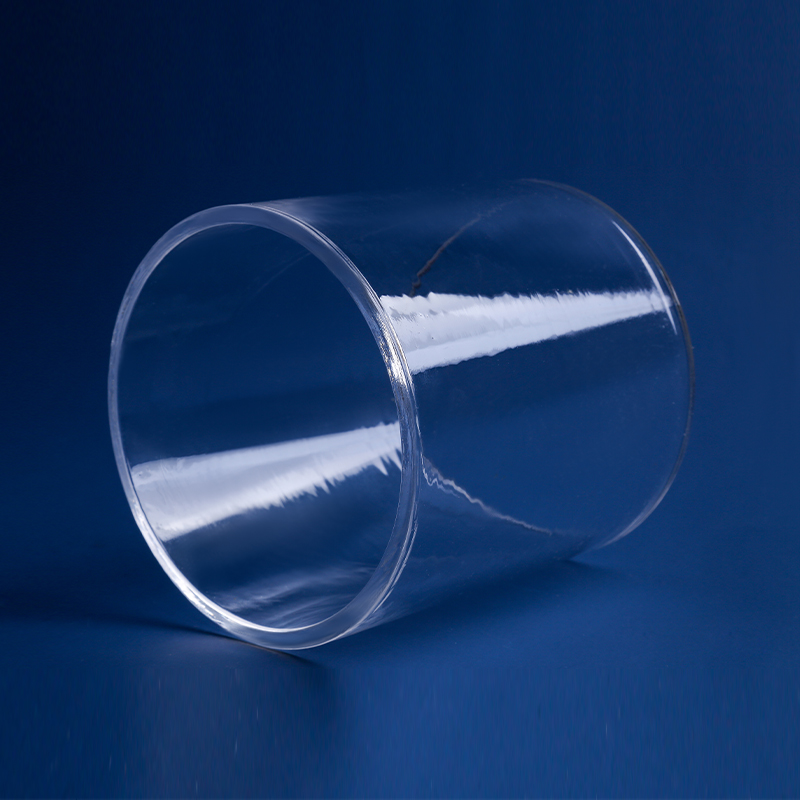
Tubo de cuarzo para horno. Las fallas por choque térmico representan una parte desproporcionada de los tiempos de inactividad no planificados en los procesos industriales de alta temperatura. A diferencia de los tubos de diámetro estándar, vidrio de cuarzo grye Los componentes con diámetros exteriores superiores a 65 mm presentan un desafío de gestión térmica fundamentalmente diferente: el gradiente de temperatura entre la superficie exterior (expuesta a un rápido calentamiento o enfriamiento) y el orificio interior se vuelve lo suficientemente grye como para generar tensiones de tracción que exceden la tenacidad a la fractura de la sílice fundida (~0,75 MPa·m^0,5). Comprender y gestionar este gradiente es la tarea central.
Este artículo proporciona orientación práctica respaldada por datos para ingenieros y profesionales de adquisiciones que trabajan con cuarzo de alta temperatura componentes en aplicaciones de hornos industriales, semiconductores y tratamientos térmicos. Cubrimos análisis de causa raíz, selección de calificaciones, cálculo de velocidad de rampa, ingeniería de soporte y protocolos de mantenimiento.
Por qué los tubos de gran tamaño son más vulnerables: la física del gradiente térmico
El cuarzo fundido tiene un coeficiente de expansión térmica (CTE) muy bajo de aproximadamente 0,55 × 10⁻⁶/°C — uno de los más bajos de cualquier material técnico. Esta es, paradójicamente, su principal ventaja y la clave para comprender su vulnerabilidad al choque térmico. Debido a que la sílice fundida se expye tan poco, no puede aliviar el estrés térmico mediante la deformación plástica como lo hacen los metales. Toda tensión térmica debe ser elástica (dentro del límite de fractura) o se propagará como una grieta.
por un cilindro de cuarzo resistente al calor , el diferencial de temperatura (ΔT) que causa escamas de fractura con el espesor de la pared al cuadrado. un tubo de cuarzo de pared pesada con un diámetro exterior de 100 mm y un espesor de pared de 5 mm experimenta aproximadamente 4 veces el estrés térmico de un tubo con el mismo diámetro exterior y pared de 2,5 mm bajo la misma velocidad de calentamiento. Esta es la razón revestimiento de horno de cuarzo personalizado Los diseños requieren que el espesor de la pared se optimice cuidadosamente: las paredes más pesadas proporcionan resistencia mecánica pero aumentan el riesgo de choque térmico durante los transitorios.
- Conductividad térmica de la sílice fundida: ~1,38 W/m·K a 25°C, aumentando a ~2,5 W/m·K a 1000°C. La baja conductividad significa que el calor se propaga lentamente a través de la pared, manteniendo el gradiente por más tiempo.
- ΔT máximo seguro (regla general): Para cuarzo fundido transparente En los tubos, el diferencial de temperatura crítico a través de la pared es de aproximadamente 200 a 250 °C para los grados estándar. Superar este umbral inicia microfisuras en los defectos de la superficie que se propagan rápidamente.
- Efecto de gran diámetro: Para tubes with OD >65 mm, circumferential (hoop) stress from non-uniform heating becomes significant and adds to the through-wall stress, compounding fracture risk.
- Amplificación de defectos superficiales: Los tubos de gran tamaño requieren más manipulación, lo que aumenta la probabilidad de que se produzcan microarañazos en la superficie que actúan como sitios de concentración de tensiones, lo que reduce la resistencia efectiva a la fractura por debajo del límite teórico del material.
Figura 1: Multiplicador de tensión térmica relativa frente al diámetro exterior del tubo para cuarzo fundido con velocidades de calentamiento y relaciones de espesor de pared idénticas. Datos normalizados a una DO <15 mm inicial.
El cuadro anterior presenta una visión crítica para los ingenieros que especifican horno industrial de vidrio de cuarzo Componentes: la tensión térmica no aumenta linealmente con el tamaño del tubo. Un tubo en el rango de DE 85 a 100 mm experimenta aproximadamente 2,85 veces la tensión térmica de un tubo de pequeño diámetro bajo las mismas condiciones de velocidad de calentamiento. Esta escala no lineal significa que las tasas de rampa y los sistemas de soporte diseñados para empresas más pequeñas tubo de cuarzo de alta pureza Las instalaciones son fundamentalmente insuficientes cuando se aplican a configuraciones de gran diámetro. El cambio de color de naranja a rojo en el gráfico representa visualmente la transición de zonas de estrés térmico manejables a zonas de alto riesgo: el diámetro exterior >65 mm debe considerarse un umbral por encima del cual los protocolos de gestión térmica dedicados no son negociables. Cada aumento de 10°C/min en la velocidad de calentamiento en este rango agrega una probabilidad de fractura mensurable, lo que se suma a cualquier defecto superficial ya presente en el tubo.
Selección del grado de cuarzo: combinación del material con la temperatura de aplicación
No todos los cuarzos fundidos son iguales. La pureza química y el contenido de OH de la matriz de vidrio determinan directamente su rango de temperatura utilizable, la transmisión de rayos UV y la resistencia a la desvitrificación (cristalización) a largo plazo. Seleccionar una calidad inapropiada para un sobredimensionado tubo de cuarzo del horno La aplicación es una causa principal de falla prematura, no por choque térmico per se, sino por debilitamiento inducido por la desvitrificación que hace que el tubo sea susceptible a choque térmico a temperaturas que de otro modo manejaría con seguridad.
| Grado | Contenido de OH (ppm) | Máx. Al (ppm) | Temperatura máxima de uso. | Aplicación primaria |
|---|---|---|---|---|
| MQ-T100/101/102 | 5 / 20 / 150 | 25.00 | ~1100°C | Horno general, sobres de lámpara. |
| MQ-T110/111/112 | 5–1 / 15 / 120 | 15.00 | ~1200°C | Semiconductor, proceso de alta pureza. |
| MQ-R100/101 | N/A (opaco) | 45.00 | ~1050°C | Aislamiento térmico, soporte de calentador. |
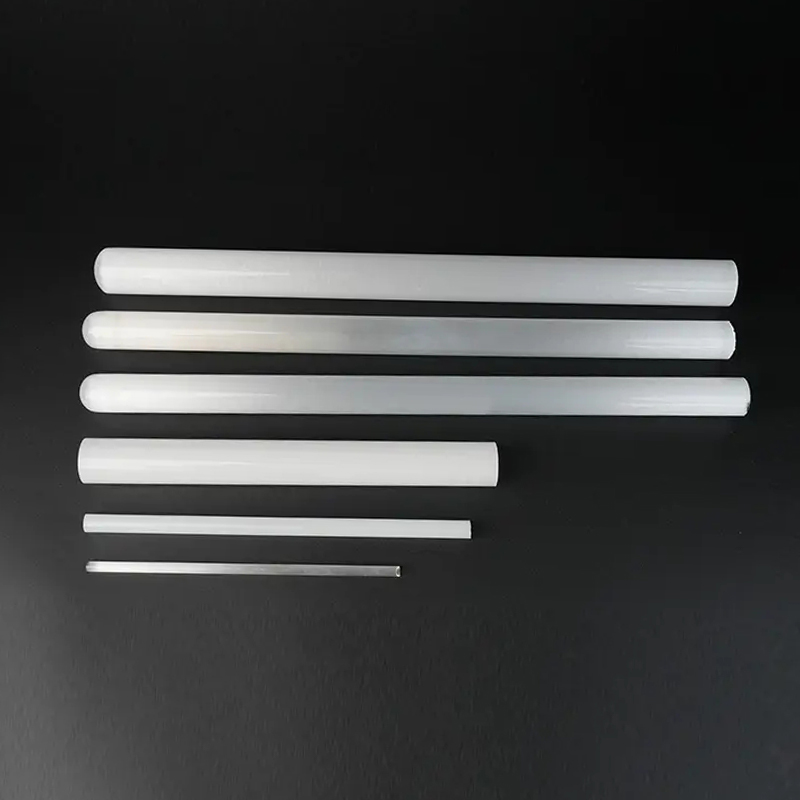
La serie MQ-T110, con su menor contenido de Al (15,00 ppm frente a 25,00 ppm en la serie T100) y su contenido de OH muy bajo (tan bajo como 5-1 ppm en MQ-T112), representa la opción óptima para tubos de cuarzo de gran diámetro en hornos de difusión de semiconductores y procesos de deposición química de vapor (CVD) de alta pureza donde el control de la contaminación es igualmente crítico. Se prefiere la serie MQ-R (sílice fundida opaca) para tubo aislante de cuarzo aplicaciones en las que el bloqueo de la radiación IR mejora la eficiencia energética del horno: la estructura opaca dispersa y refleja los infrarrojos, lo que reduce significativamente las pérdidas de calor radiante en los extremos de los tubos y las zonas de soporte.
Para tubo de vidrio de cuarzo de gran tamaño instalaciones que funcionan por encima de 1100°C, inhibidores de la desvitrificación o los intervalos programados de reemplazo de tubos deben tenerse en cuenta en el plan de mantenimiento. La desvitrificación (la transformación de sílice amorfa en cristobalita cristalina) comienza en la superficie y avanza hacia adentro, donde la fase de cristobalita sufre un cambio de volumen disruptivo (~2,8 %) a aproximadamente 200 °C durante el enfriamiento, un mecanismo de choque térmico secundario que es completamente distinto del choque de velocidad de calentamiento primario y que con frecuencia se pasa por alto.
Tarifas de rampa controladas: la medida de prevención más eficaz
Controlar la rampa de temperatura, tanto en calefacción como en refrigeración, es la acción individual más impactante que un operador puede tomar para evitar el choque térmico en cuarzo de alta temperatura tubos. Las velocidades de rampa máximas recomendadas a continuación se derivan de la relación entre el espesor de la pared del tubo, la conductividad térmica de la sílice fundida y el umbral diferencial de temperatura crítico para la iniciación de grietas (~200 °C a través de la pared).
Figura 2: Velocidades de rampa de calentamiento máximas recomendadas para tubos de cuarzo fundido por rango de diámetro exterior. Los límites de la rampa de enfriamiento deben ser entre un 20% y un 30% más conservadores que las tasas de calentamiento mostradas.
El gráfico de tasas de rampa revela una fuerte restricción para los tamaños de tubos más grandes: tubo de vidrio de cuarzo de gran tamaño with OD 85–100 mm should not exceed 3°C/min during either heating or cooling – un ritmo que muchos operadores acostumbrados a tubos más pequeños encuentran incómodamente lento. Esta restricción no es negociable dada la física: a 3°C/min, un tubo de cuarzo de pared de 5 mm tarda aproximadamente 67 minutos en equilibrarse en toda su sección transversal cuando pasa de 200°C a 400°C. Acelerar esta transición a 10°C/min comprimiría el equilibrio en 20 minutos, creando un diferencial de temperatura a través de la pared que excedería el umbral de fractura de 200°C. Los límites de enfriamiento son incluso más críticos que los límites de calentamiento para tubos de gran diámetro, ya que la conductividad térmica de la sílice fundida disminuye a temperaturas más bajas, lo que ralentiza la disipación de calor exactamente cuando el tubo pasa por la zona de inversión de cristobalita (~200 °C). Muchas fallas de campo atribuidas a grietas inexplicables durante el "enfriamiento de rutina" son, de hecho, eventos de inversión de desvitrificación-cristobalita que podrían evitarse mediante un enfriamiento controlado aún más lento de 400 °C a 100 °C.
Protocolo de precalentamiento para instalaciones de arranque en frío
Para new revestimiento de horno de cuarzo personalizado instalaciones o reemplazos de tubos a temperatura ambiente, es esencial una secuencia de precalentamiento por etapas:
- Calor del ambiente al 200°C a ≤5°C/min y luego dejar reposar durante 30 minutos (etapa de desgasificación de la humedad).
- Calentar de 200°C a 400°C a ≤3–5°C/min (para OD >65 mm), espere 20 minutos.
- Calentar de 400°C a 800 °C a la velocidad de rampa adecuada para el diámetro exterior , permanecer 15 minutos.
- Proceder a la temperatura de proceso en rampa controlada. Nunca salte directamente a la temperatura del proceso desde la temperatura ambiente.
La permanencia de 200°C es particularmente importante para grandes tubo de cuarzo de alta pureza Instalaciones: la humedad superficial adsorbida puede convertirse en vapor durante el calentamiento rápido, generando presión interna en los microporos de la superficie que acelera drásticamente la propagación de grietas. Una permanencia de 30 minutos a 200 °C con un flujo de gas de purga bajo elimina este riesgo antes de que las tensiones térmicas se vuelvan significativas.
Diseño de soporte mecánico: prevención de la concentración de tensiones en los puntos de contacto
Incluso con un control perfecto de la velocidad de rampa, tubo de cuarzo de pared pesada Las instalaciones fallan con frecuencia en los puntos de contacto de soporte. Esto ocurre porque el soporte del horno (normalmente una base de cerámica o metal) actúa como un disipador o fuente de calor local durante las transiciones de temperatura, creando una discontinuidad de temperatura en la zona de contacto que genera una tensión localizada que excede con creces la resistencia a la fractura del tubo. El diseño adecuado del soporte es el segundo pilar crítico de la prevención del choque térmico para tubos de gran diámetro.
- Selección de material de soporte: Utilice soportes de alúmina o mullita de alta pureza con una conductividad térmica cercana a la de sílice fundida (~1,5–2,5 W/m·K). Los soportes metálicos con alta conductividad (acero ~50 W/m·K) crean gradientes térmicos locales extremos y deben aislarse o evitarse.
- Maximización del área de contacto: Utilice soportes de cuna adaptados que distribuyan el peso del tubo en al menos 120° de circunferencia. El contacto puntual o lineal en un tubo de gran diámetro concentra la tensión mecánica y térmica en un solo lugar.
- Separación de soportes axiales: Para tubos de cuarzo de gran diámetro (OD >65 mm), los tramos de soporte no deben exceder los 400–600 mm. Los tramos sin soporte más allá de esto generan tensiones de flexión bajo el propio peso del tubo que se suman a las tensiones térmicas durante los transitorios.
- Diseño de tapa final y brida: Las conexiones rígidas de los extremos que impiden la libre expansión térmica son una causa importante de fracturas. Siempre permita el movimiento axial en un extremo usando una junta tórica deslizante o una conexión tipo fuelle que se adapte a la expansión térmica de ~0,55 mm/m por cada aumento de temperatura de 1000 °C.
- Almohadillas aislantes en los soportes: Envuelva las zonas de contacto con cinta de fibra cerámica (de 2 a 4 mm de espesor) para amortiguar térmicamente la transición entre el soporte y el tubo, reduciendo la discontinuidad de temperatura en la interfaz de contacto entre un 60 y un 80%.
Figura 3: Comparación por radar del soporte de soporte conforme frente al soporte puntual estándar en cinco parámetros de diseño mecánico y térmico para instalaciones de tubos de cuarzo de hornos grandes.
El diagrama de radar proporciona un argumento visual convincente para invertir en el diseño adecuado del sistema de soporte para vidrio de cuarzo grande componentes del horno. Los sistemas de soporte conformes obtienen puntuaciones dramáticamente más altas en las cinco dimensiones en comparación con los soportes puntuales estándar, particularmente en el área de contacto (90 frente a 30) y amortiguación térmica (85 frente a 20). Estas dos dimensiones están directamente relacionadas con los modos de fractura más comunes en tubos de gran diámetro. La baja puntuación de libertad axial del soporte puntual (35) refleja cómo los contactos puntuales rígidos resisten la expansión térmica natural del tubo, generando tensión axial acumulativa que eventualmente causa agrietamiento longitudinal, un modo de falla que generalmente aparece después de múltiples ciclos térmicos en lugar de en el primer uso, lo que hace que sea engañosamente fácil de atribuir erróneamente a defectos del material en lugar del diseño del soporte. Ingenieros especificando horno industrial de vidrio de cuarzo Los componentes deben tratar el diseño del sistema de soporte como parte integral de la especificación del componente, no como una instalación de campo posterior.
Tolerancias dimensionales: comprensión de las especificaciones para tubos grandes
La calidad dimensional del tubo en sí (particularmente la ovalidad y la curvatura) afecta directamente la resistencia al choque térmico de grandes superficies. cuarzo fundido transparente tubos. Un tubo con una ovalidad significativa tiene una distribución no uniforme del espesor de la pared alrededor de su circunferencia, lo que crea gradientes térmicos no uniformes durante el calentamiento y concentra la tensión en las secciones más delgadas. Comprender las especificaciones de tolerancia ayuda a los compradores a evaluar la calidad e identificar tubos con riesgo elevado de choque térmico antes de la instalación.
| Rango de diámetro exterior (mm) | Tolerancia de sobredosis | Tolerancia de la pared | Ovalidad máxima | Arco máximo | Térmica Shock Risk |
|---|---|---|---|---|---|
| <10 | ±0,15 | ±0,10 | 0.15 | 2% | Bajo |
| 10–30 | ±0,20–0,40 | ±0,10–0.15 | 0,20–0,30 | 2% | Bajo–Med |
| 30–50 | ±0,60–0,80 | ±0,15–0.20 | 0,40–0,50 | 2% | Medio |
| 50–65 | ±1,00 | ±0,20 | 0.60 | 2,5% | Medio-alto |
| 65–85 | ±1,20 | ±0,30 | 0.80 | 2,5% | Alto |
| 85–100 | ±1,50 | ±0,30 | 1.00 | 2,5% | muy alto |
La tabla muestra que la ovalidad máxima permitida aumenta de 0,15 mm para tubos pequeños a 1,00 mm para el rango de diámetro exterior de 85 a 100 mm. Si bien esto refleja la realidad de fabricación de tubos de gran diámetro, significa que un tubo de 90 mm de diámetro exterior que cumpla con las especificaciones podría tener una variación del espesor de la pared de hasta 1,00 mm alrededor de su circunferencia. Para un tubo de pared típico de 4 mm, esto representa una 25% de variación del espesor de la pared — crear gradientes térmicos proporcionalmente desiguales durante el calentamiento. Compradores abasteciéndose tubos de cuarzo de gran diámetro para aplicaciones críticas de alta temperatura deben solicitar tubos en el extremo más estricto del rango de tolerancia y especificar requisitos de ovalidad máxima que sean más estrictos que la especificación estándar cuando la aplicación lo justifique.
Condición y manipulación de la superficie: protección de la superficie exterior crítica para fracturas
La condición de la superficie es la tercera variable crítica en la resistencia al choque térmico, después de la velocidad de rampa y el diseño del soporte. Las fracturas de sílice fundida se originan en defectos de la superficie (rayones, astillas o daños por grabado químico) donde factores de concentración de tensión de 3 a 10 veces amplifican la tensión térmica aplicada. Un prístino tubo de cuarzo de alta pureza La superficie puede soportar con seguridad una rampa de 15°C/min, mientras que el mismo tubo con un arañazo de manipulación de 0,1 mm de profundidad podría fracturarse a 8°C/min en condiciones idénticas.
- Nunca utilice contacto abrasivo: Almacenar y transportar grandes tubo aislante de cuarzo componentes con tapas de espuma y envoltura de manga de PE de longitud completa. El contacto con acero, hormigón u otras superficies duras durante el almacenamiento crea microchips que reducen la resistencia a la fractura entre un 30% y un 50%.
- Evite el contacto con los dedos en las superficies de trabajo: Los aceites y sales de la piel desvitrifican la superficie del cuarzo a temperaturas superiores a 900°C, creando zonas debilitadas que nuclean la fractura. Manejar siempre cuarzo fundido transparente Procese las superficies con guantes limpios de algodón o nitrilo.
- Limpieza previa a la instalación: Limpie con isopropanol de grado semiconductor o HF diluido (solo para superficies del lado del proceso, con las precauciones de seguridad adecuadas). Elimine toda la contaminación por partículas antes de calentar, ya que las partículas incrustadas crean estrés térmico localizado durante el primer calentamiento.
- Inspeccione si hay astillas en los extremos de los tubos: Los extremos de los tubos de gran diámetro son las zonas de mayor tensión durante el ciclo térmico debido al efecto de superficie libre. Inspeccione con un aumento de 10× para ver si hay astillas en los bordes cortados antes de la instalación. El proveedor debe pulir al fuego los extremos astillados antes de la entrega.
Figura 4: Resistencia efectiva a la fractura como porcentaje del estado impecable para tubos de cuarzo fundido con diámetro exterior de 85 a 100 mm con niveles de daño superficial crecientes.
La curva de degradación de la resistencia a la fractura ilustra cuán dramáticamente la condición de la superficie afecta la resistencia práctica al choque térmico de tubo de vidrio de cuarzo de gran tamaño . Un tubo con superficie visible desconchada retiene sólo aproximadamente 51% de su prístina resistencia a la fractura , lo que significa que se fracturará a niveles de tensión térmica que un tubo limpio podría soportar de forma segura. Cuando un tubo alcanza una condición desvitrificada, su resistencia efectiva a la fractura ha disminuido a solo el 18% de la original, lo que lo convierte efectivamente en un peligro en lugar de un componente. Estos datos respaldan poderosamente la necesidad de protocolos de manipulación rigurosos e intervalos de inspección programados en cualquier proceso industrial que utilice tubos de cuarzo de gran diámetro . Los operadores que inspeccionan visualmente los tubos de sus hornos en cada intervalo de acceso de mantenimiento, buscando la decoloración de la superficie de color blanco lechoso característica de la desvitrificación y los pequeños rayones en la superficie que indican daños por manipulación, pueden prevenir la gran mayoría de fallas por choque térmico en servicio mediante el reemplazo oportuno antes de que se cruce el umbral de fractura.
Acerca de Productos de cuarzo Yancheng Mingyang Co., Ltd.
Yancheng Mingyang Quartz Products Co., Ltd. es una empresa especializada en la producción de productos de cuarzo y vidrio especial, que opera como la planta de producción en Jiangsu de Jinzhou Mingde Quartz Glass Co., Ltd. Desde su creación, la empresa se ha desarrollado rápidamente, introduciendo tecnología avanzada y equipos de producción de fuentes nacionales e internacionales, y ha mejorado continuamente la calidad de los productos en toda su amplia gama de productos de vidrio de cuarzo .
Basándose en sus propias ventajas tecnológicas y de fabricación, Mingyang ha desarrollado una amplia variedad de productos adaptados a las demandas del mercado y las necesidades de diferentes clientes, resolviendo muchos desafíos de producción críticos para sus socios en múltiples industrias.
La gama de productos de la empresa abarca: tubos de vidrio de cuarzo (incluidas configuraciones de doble orificio), varillas de vidrio de cuarzo and láminas de vidrio de cuarzo , ventanas de zafiro, ventanas de vidrio de fluoruro de calcio, revestimientos infrarrojos y ultravioleta, paneles de ventanas de aluminosilicato resistentes a alta presión, vidrio de cuarzo instrumentos, alto borosilicato instrumentos de vidrio, crisoles de cuarzo (incluyendo crisoles de cuarzo de laboratorio and crisoles de cuarzo transparente ), tubos de cuarzo chapados en oro, calentadores de cuarzo, tubos de calefacción por infrarrojos de cuarzo (incluyendo Calentadores de tubo de cuarzo infrarrojo lejano and calentadores de cuarzo de fibra de carbono ), lámparas germicidas ultravioleta y muchos otros vidrio óptico especial y productos de vidrio de cuarzo.
Más allá de los componentes de hornos industriales, Mingyang también suministra placa de cuarzo ultravioleta and Cubetas de cuarzo fundido UV para aplicaciones analíticas y de laboratorio, varillas de cuarzo fundido , tubos de vidrio de cuarzo de alta pureza , tubos de vidrio resistentes al calor y artículos especiales que incluyen diapasones de cristal de cuarzo , cuencos de alquimia de cristal , y instrumentos de curación con sonido para aplicaciones de bienestar y acústicas. La empresa es un socio confiable a largo plazo para clientes de los sectores de fabricación de semiconductores, procesamiento químico, ciencia de laboratorio, producción de dispositivos médicos y calefacción industrial.
Preguntas frecuentes
Productos destacados
Derecho de Autor © Yancheng Mingyang Quartz Products Co., Ltd. Todos los Derechos Reservados.
Fabricante mayorista de productos de cuarzo Fábrica de vidrio de cuarzo